
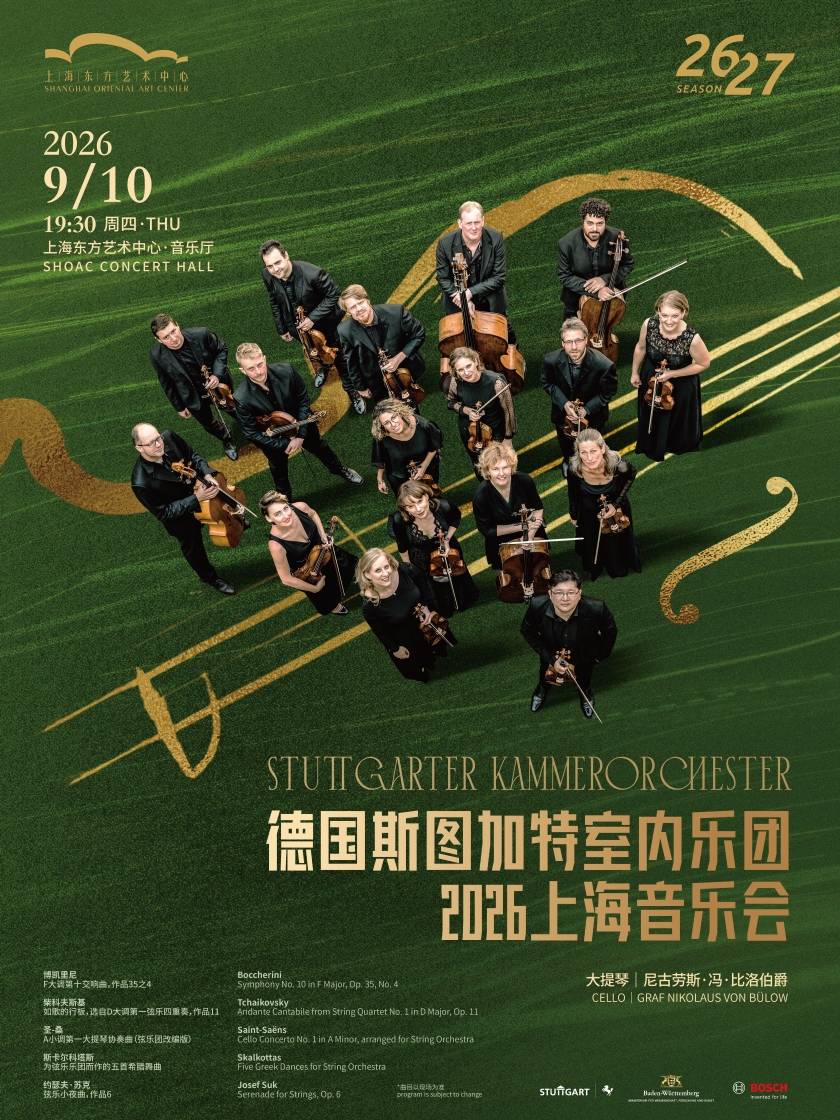
Stuttgarter Kammerorchester
Venue:
Shanghai Oriental Art Center - Oriental Concert Hall
425 Dingxiang Road Pudong Shanghai
Date:
9/10/2026
Choose Session:
This ticket is only available as a paper ticket
Stuttgarter Kammerorchester
9/10/2026
Shanghai Oriental Art Center - Oriental Concert Hall
425 Dingxiang Road Pudong Shanghai
¥180 - ¥480
Paper ticket
Event details
👉 Receive tickets via Express delivery in 7 working days
👉 Children under 1.2m are not allowed to enter
👉 Children over 1.2m will be admitted by full tickets
👉 No cancellation
👉 Children over 1.2m will be admitted by full tickets
👉 No cancellation
PROGRAM
Boccherini | Symphony No. 10 in F Major, Op. 35, No. 4
I. Allegro assai
II. Andantino
III. Allegro vivace
Tchaikovsky | Andante Cantabile, from String Quartet No. 1 in D Major, Op. 11
Saint-Saëns | Cello Concerto No. 1 in A Minor (arranged for String Orchestra)
Skalkottas | Five Greek Dances for String Orchestra
Josef Suk | Serenade for Strings, Op. 6
I. Andante con moto
II. Allegro, ma non troppo e grazioso
III. Adagio
IV. Allegro giocoso,ma non troppo presto
*Program is subject to change
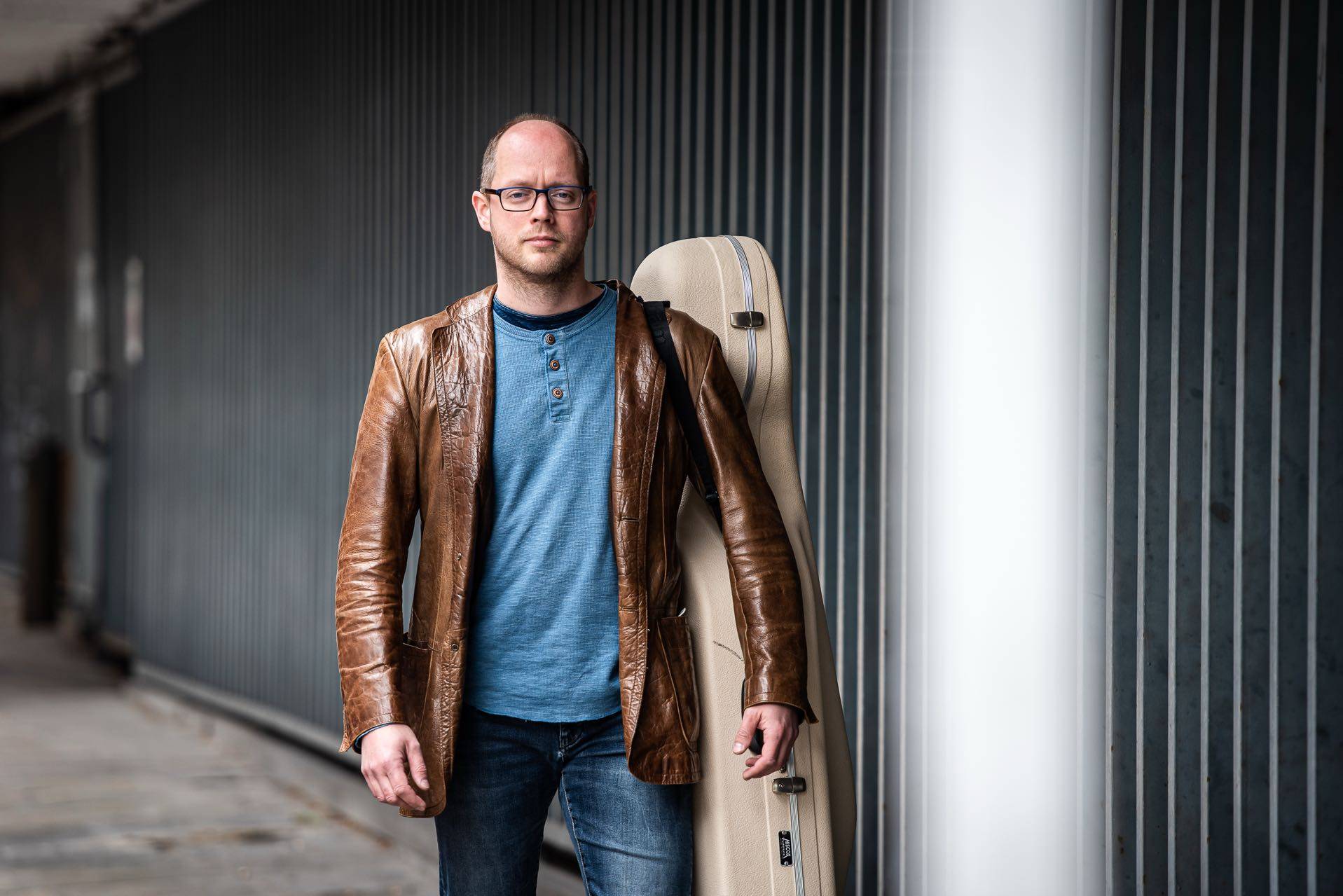
CELLO | Graf Nikolaus von Bülow
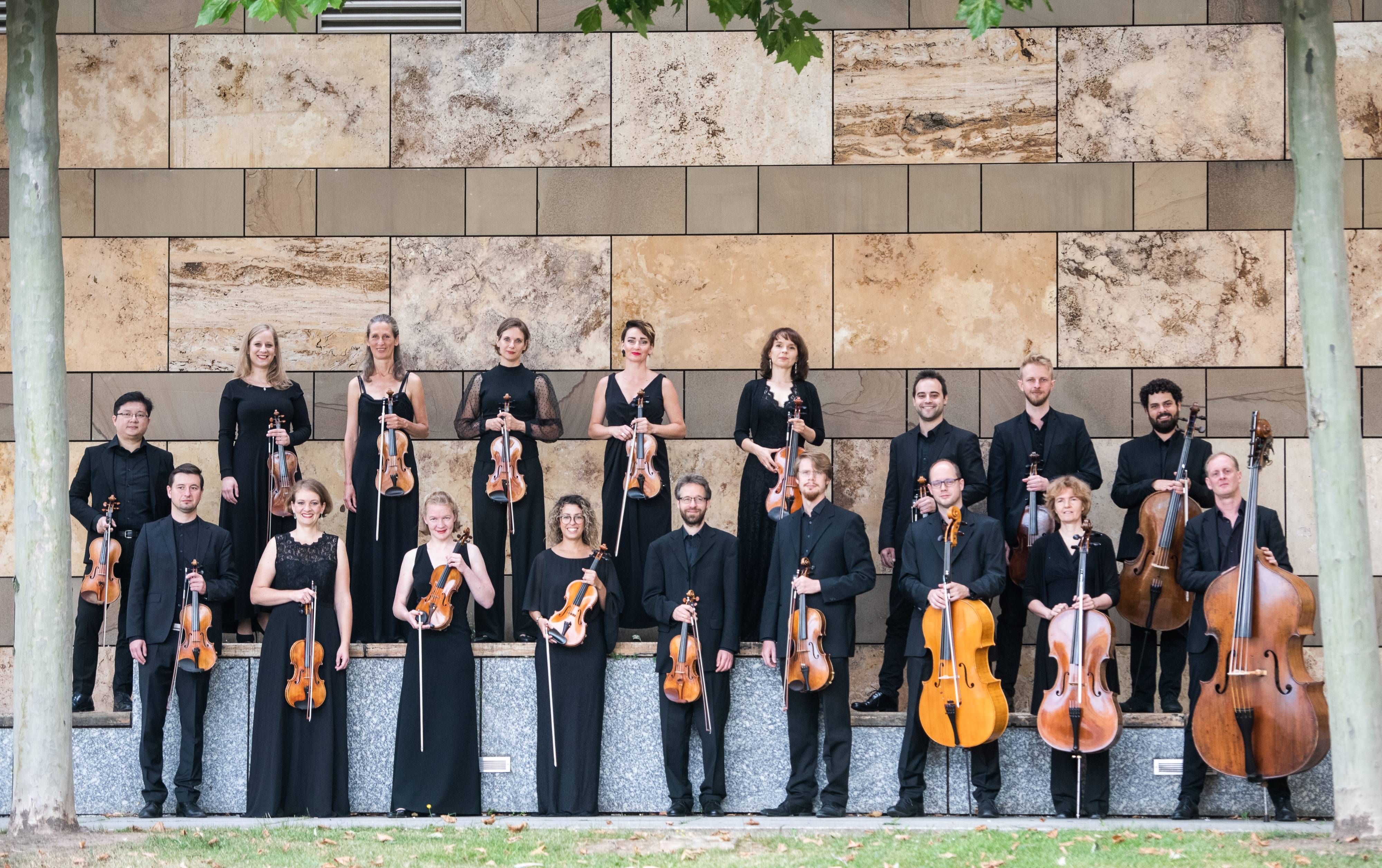
Stuttgarter Kammerorchester
Since its foundation in 1945 by Karl Münchinger, the Stuttgarter Kammerorchester (SKO) has developed its own unmistakable sound and thus become a foundation model for many other ensembles. Under Dennis Russell Davies, the SKO's honorary conductor, the orchestra also purposefully expanded its range to include contemporary music. His successor, Michael Hofstetter, strengthened the orchestra’s expertise in the field of historical performance practice.
Founded in 1945, the SKO sees itself as a cultural institution with a dual role. The vision of the musicians and their two artistic leaders – Principal Conductor Thomas Zehetmair and Markus Korselt as Managing Director – is to preserve tradition while also setting standards for the future in terms of sound and programming. The tension between these two poles is where the SKO draws its creative energy. The rich repertoire spanning the centuries, from Baroque to composition commissions, also includes bold genre crossovers with jazz and electronic music in exciting formats and projects close to the audience. This range makes it one of the most accomplished ensembles in the world of music.
The programme encompasses about 90 concerts each year, including up to two intercontinental tours and performances on the major stages. The orchestra presents itself both as “pure SKO” in its regular line-up of 17 strings as well as a larger ensemble for masterworks from the Classical and Romantic periods. From 2024 to 2027, the SKO is going to record and perform all Beethoven symphonies with Thomas Zehetmair.
The Stuttgarter Kammerorchester is constantly discovering new creative fields in the ever-changing area of digitisation. Since 2018, innovative projects featuring virtual and augmented reality, AI, robotics and hologram concerts have been created which broaden the classical foundation of the orchestra and offer the audience new artistic experiences. In 2022, the SKO became the first orchestra in Germany to switch from paper sheet music to tablets.
Motivated by the desire to be more sustainable, the SKO has been committed to a climate-conscious cultural sector since 2022. This included, till 2024, the orchestra’s climate neutrality by avoiding, reducing and offsetting CO2 emissions. From 2025, the focus will be on a further reduction of CO2 emissions and regional reforestation projects. This includes working as resource-efficiently as possible, avoiding or decreasing CO2 emissions wherever possible and encouraging the audience to act climate-consciously.
Notice
Follow our WeChat for event news, deals, gossip and more!
Book Now
Stuttgarter Kammerorchester
Venue:
Shanghai Oriental Art Center - Oriental Concert Hall
425 Dingxiang Road Pudong Shanghai
Date:
9/10/2026
Choose Session:
This ticket is only available as a paper ticket
© 247tickets 2020 沪ICP备19024898号-2

 Add us on WeChat to speak to our friendly customer service team! ID: love247tickets