
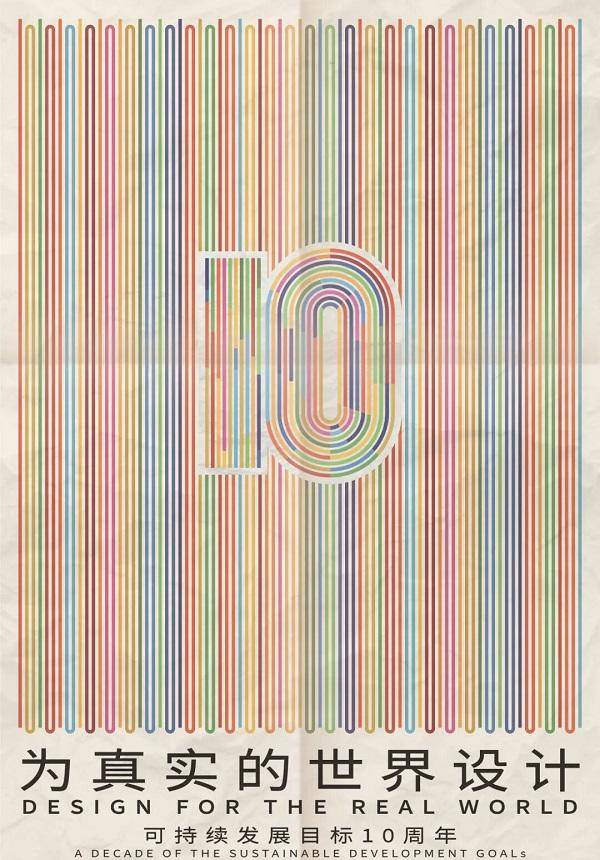
Design for the Real World: A Decade of the Sustainable Development Goals
Design for the Real World: A Decade of the Sustainable Development Goals
Event details
Fosun Foundation is celebrating its tenth anniversary in 2026 as it continues to broaden the connections between contemporary art, architecture, design, and public culture. Following on the heels of “China New Design,” a collaboration between the Beijing Contemporary Art Foundation (BCAF) and Fosun Foundation for New York Design Week at Fosun's Halo Space cultural center at 28 Liberty in New York City, this summer in Shanghai, Fosun Foundation will present the exhibition “Design for the Real World: A Decade of the Sustainable Development Goals,” which will be on view from July 5 to August 22, 2026, followed by a series of exhibition projects focused on design in the Asia-Pacific region. In 2026, Fosun Foundation is drawing a thread linking New York and Shanghai, contemporary art and design practice, in a “design season” that responds to globally shared issues.
Under the guidance of the Global SDGs and Leadership Development Center (affiliated with UNITAR), this exhibition was conceived in collaboration with the Red Dot Design Museum·Xiamen, bringing together 100 innovative design cases from 17 countries focused on sustainable development in the fields of circular economies, sustainable materials, rural revitalization, ethnic culture, inclusive design, accessibility, pet care, and AI for good. The exhibition begins in Shanghai, using design, a practical language directed at everyday life, industrial systems, and social structures, to reengage the discussion of how “sustainable development” can be brought back from broad, sweeping goals to the level of the real world.
Setting Out from the “Real World” — Design as Response to Social Issues
The exhibition title “Design for the Real World” comes from Victor J. Papanek's iconic 1971 text of the same name, subtitled “Human Ecology and Social Change.” This book has served as an important conceptual wellspring for the fields of sustainable design, humanist design, and social design. Papanek criticized design for serving only the narrow interests of consumer desire and commercial packaging, stressing that it should respond to real social needs, and should care for common people, marginalized groups, and the environment.
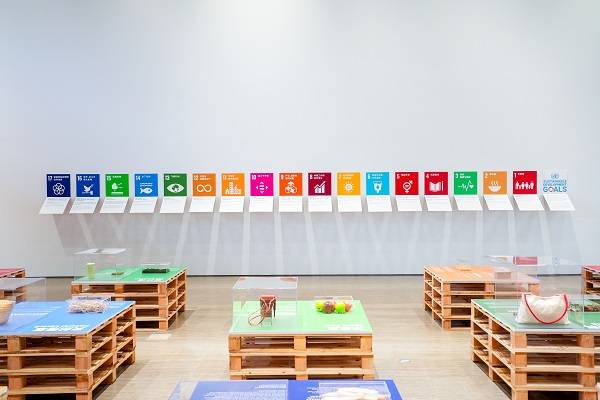
Half a century later, this topic has taken on powerful real world significance. In 1972, the UN convened the Conference on the Human Environment in Stockholm, bringing the environment into the global political framework for the first time. In 1987, the book Our Common Future introduced the concept of “sustainable development.” In 2015, the UN passed the 2030 Agenda for Sustainable Development, which proposed 17 sustainable development goals (SDGs). The agenda, which officially came into effect in 2016, is aimed at responding to the challenges of global development from the dimensions of society, economy, and environment. The year 2026 marks the tenth anniversary of the sustainable development goals, as well as the beginning of China’s 15th Five-Year Plan. At a time like this, “Design for the Real World” becomes a public question about the future: as we all confront of climate change, resource recycling, urban renewal, aging populations, accessibility, and the ethics of technology, what role can design play in effecting change?
100 Global Design Cases: From Product Innovation to Social Action
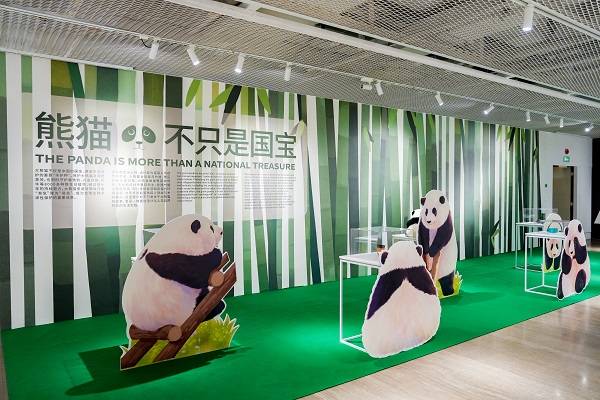
The approximately 100 design cases presented in this exhibition include systemic practices by globally famous brands, as well as small actions by local communities, non-profit organizations, design teams, and individual creators. For instance, the exhibition includes materials related to Apple’s long-term efforts to become carbon neutral by 2030, touching on product design, manufacturing, supply chains, clean energy, recycling, and low-carbon shipping, demonstrating how a global corporation is embedding the sustainable development goals into its entire product life cycle. Meanwhile, the MaterialX Innovation Hub focuses on high value reuse and recycling of waste materials, exploring new possibilities in material cycling and environmental product development from the source.
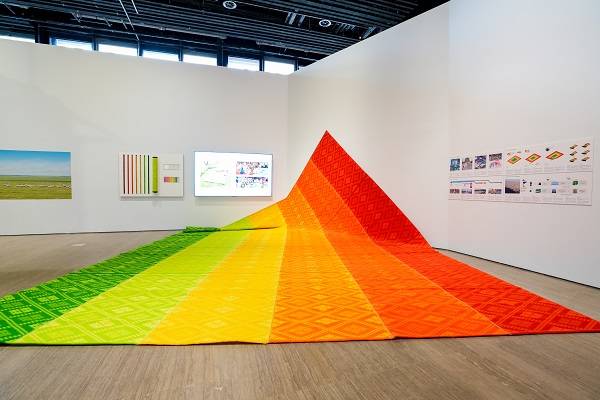
In regard to circular economy and material reuse, Swire Coca-Cola and Shanghai Shen-Mei's “World Without Waste” initiatives include a package recycling competition for transforming its rPET bevergage bottles into pickleball paddles, an innovative response to concepts of adaptive reuse. The RE-UP series aims to transform plastic waste into tables and lighting fixtures, highlighting the regenerative aesthetic value of waste materials. MVRDV Architects' large-scale temporary installation Mega Mat, unveiled during Bangkok Design Week, was woven from more than 500 plastic mats to create a public space that also serves as a massive infographic on plastic waste processing.
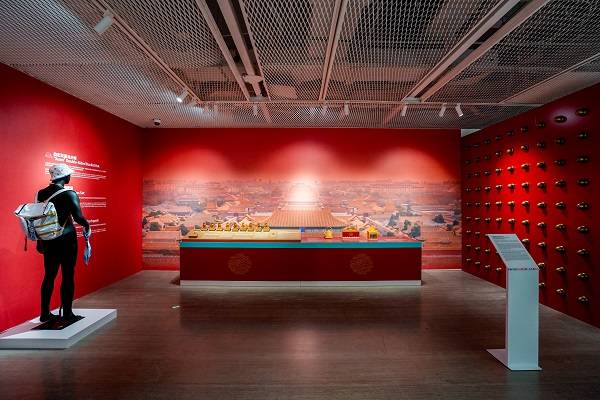
The exhibition also explores how design can play a role in cultural heritage and local development, including how the Palace Museum uses creative crossovers, accessible experiences, and rural revitalization practices to breathe new life into traditional culture through the language of contemporary design. A case inspired by Azheke Village in Yunnan’s Honghe Prefecture integrates the rice terraces of the Hani people, their local agrarian culture, and modern product design to build a culturally-affirming brand for local agricultural products.
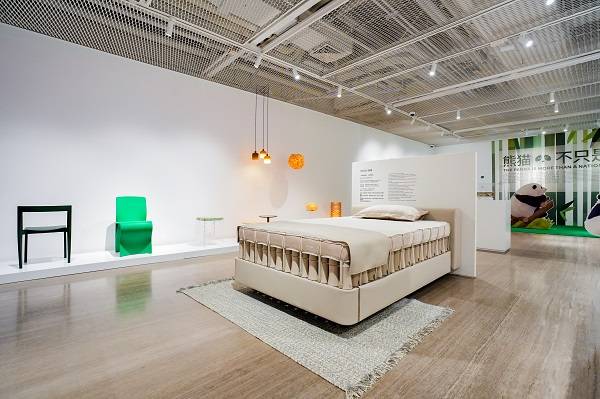
Inclusive Design, Accessibility, and Tech for Good: Design for Everyone
Sustainable design isn't just about the environment. It also touches on human dignity, equality, and inclusion. The accessible and inclusive design cases in the exhibition draw our attention to people often overlooked by mainstream design logic. “Alibaba Health Font,” China's first Braille phonetic typeface for the visually impaired, addresses issues of poor legibility and accessibility in pharmaceutical packaging, building a bridge to better living for the blind. The “Pure White Narrative” accessible design project uses white Braille dots to infuse everyday objects with kindness, encouragement, and warmth, employing design as a means for empathy.
In the realm of technology and human-computer interaction, such cases as Augmental MouthPad demonstrate the impact of assistive technology for the disabled, while “AI for Good” practices remind us that the value of technology rests not only in increased efficiency, but should also improve the human condition and expand the possibilities for individuals to take part in society.
From Aquacendo, a water bottle that filters drinking water and provides light, to ÖKOSIX, the fully biodegradable medical-grade facemask, and on to BioBlend furniture made from milkweed fiber, many of the cases presented in this exhibition point to the same conclusion: truly powerful design is not some sublime concept. It provides usable, repeatable, tangible solutions to concrete problems.
Exhibition as Sustainable Practice
This exhibition was conceived in collaboration with the Red Dot Design Museum·Xiamen and Fosun Foundation. The Red Dot Design Award, launched in 1955, is one of the most influential accolades in the field of design, known for its sustained focus on product design, branding, communications design, and design concepts. Its evaluation criteria emphasize innovation, functionality, sustainability, and social value. The award is seen as a window on global design trends and industry innovation.
For these reasons, it is worth noting here that the exhibition itself does not only discuss sustainable design; it incorporates sustainability practices in every aspect from curation and design to production. The exhibition prioritizes the reuse of existing exhibition walls and spaces from the previous exhibition, while incorporating reusable and recyclable fixtures in order to minimize the use of disposable materials and lower the exhibition's carbon footprint.
During the exhibition, Fosun Foundation will organize public tours and charitable programming events in hopes of bringing more of the general public into the exhibition, particularly youths, students, families, and those interested in social innovation, so that they may better understand the relationship between design and the life of the future through real design cases.
In summer 2026, Fosun Foundation invites the public to enter “Design for the Real World,” where 100 cases from around the world show the ways design connects individual lives to our common future, and demonstrate how a cultural organization can play a part in building a sustainable world through art, design, and public action.
Notice
Duration: July 5 – August 23, 2026
Opening Hours: Tuesday to Sunday, 11:00 AM - 19:00 (last entry: 18:30); closed Mondays (excepting national holidays)
Address: 600 Zhongshan Dong Er Lu, Huangpu District, Shanghai
Regular Tickets: 78 RMB
Early-Bird Tickets: 48 RMB
* Free entry for military personnel and disabled persons with valid identification. Seniors over 60 and student groups eligible for special admission with valid identification.

Follow our WeChat for event news, deals, gossip and more!
Design for the Real World: A Decade of the Sustainable Development Goals

 Add us on WeChat to speak to our friendly customer service team! ID: love247tickets