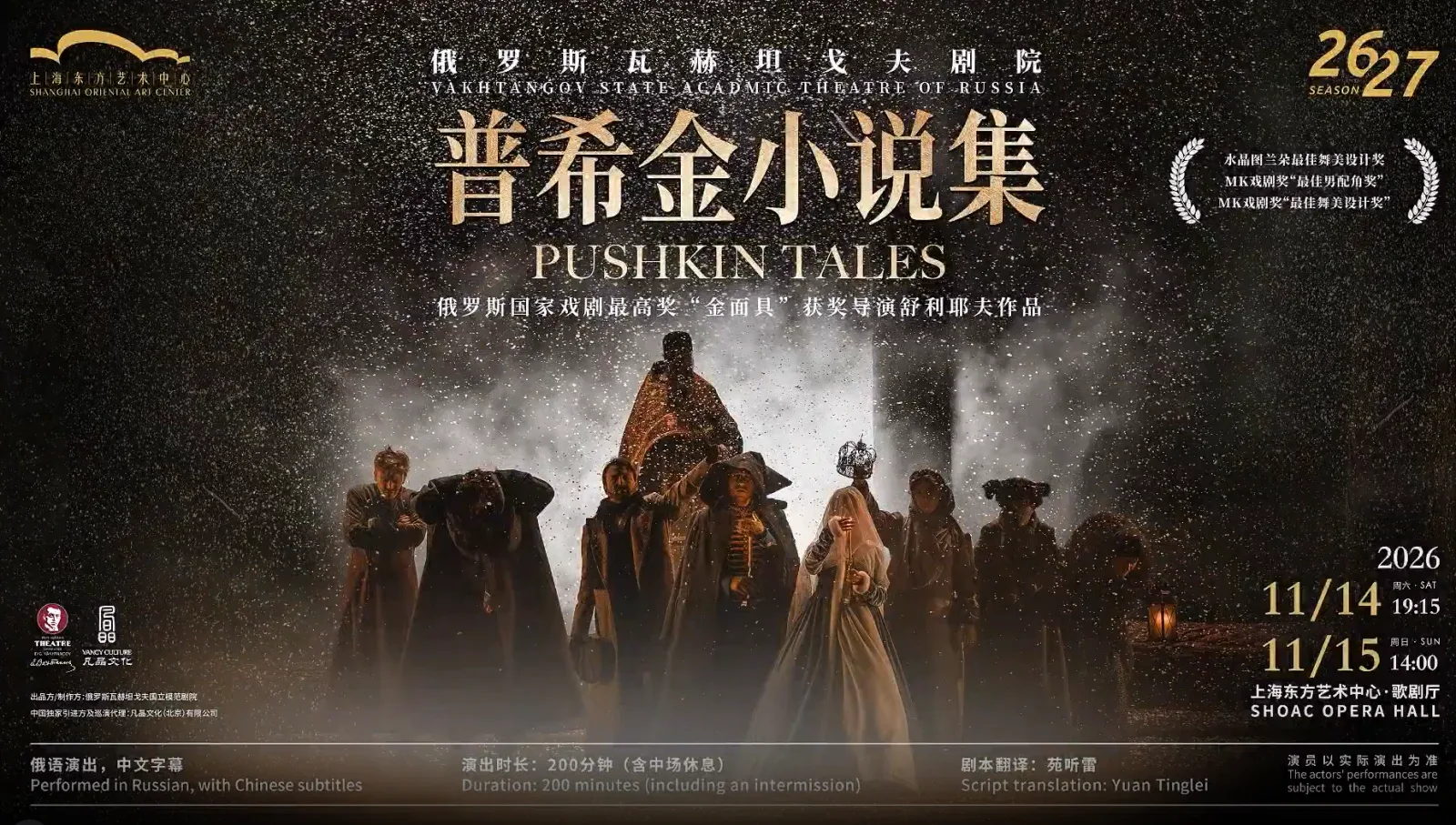
PUSHKIN TALES
About this event
👉 Children over 1.2m will be admitted by full tickets
👉 No cancellation
No SMS reminder service is available for performance start times. After purchasing tickets, please make a note of your booked performances to avoid missing the show.
Audience members who arrive late or leave midway must enter at designated latecomer entry points. Specific arrangements are subject to on-site instructions.
【Friendly Reminders】
-
Orchestra pit seating is available for this performance. The orchestra pit (Special Row 2) is the actual first row of the performance.
-
Viewing subtitles from the orchestra pit may be partially obstructed; please consider this when purchasing.
-
The organizer reserves the right to add extra seats. Additional second-floor seating is located in front of Row 4 in Section D, please be aware.
-
Children under 1.2 meters are not admitted.
-
Performed in Russian with Chinese subtitles.
-
Running time: approximately 200 minutes (including one intermission).
-
Recommended for audiences aged 12 and above.
Please be advised that, due to the requirements of the plot, the performance contains smoking and gunshot scenes.
【About the Production】
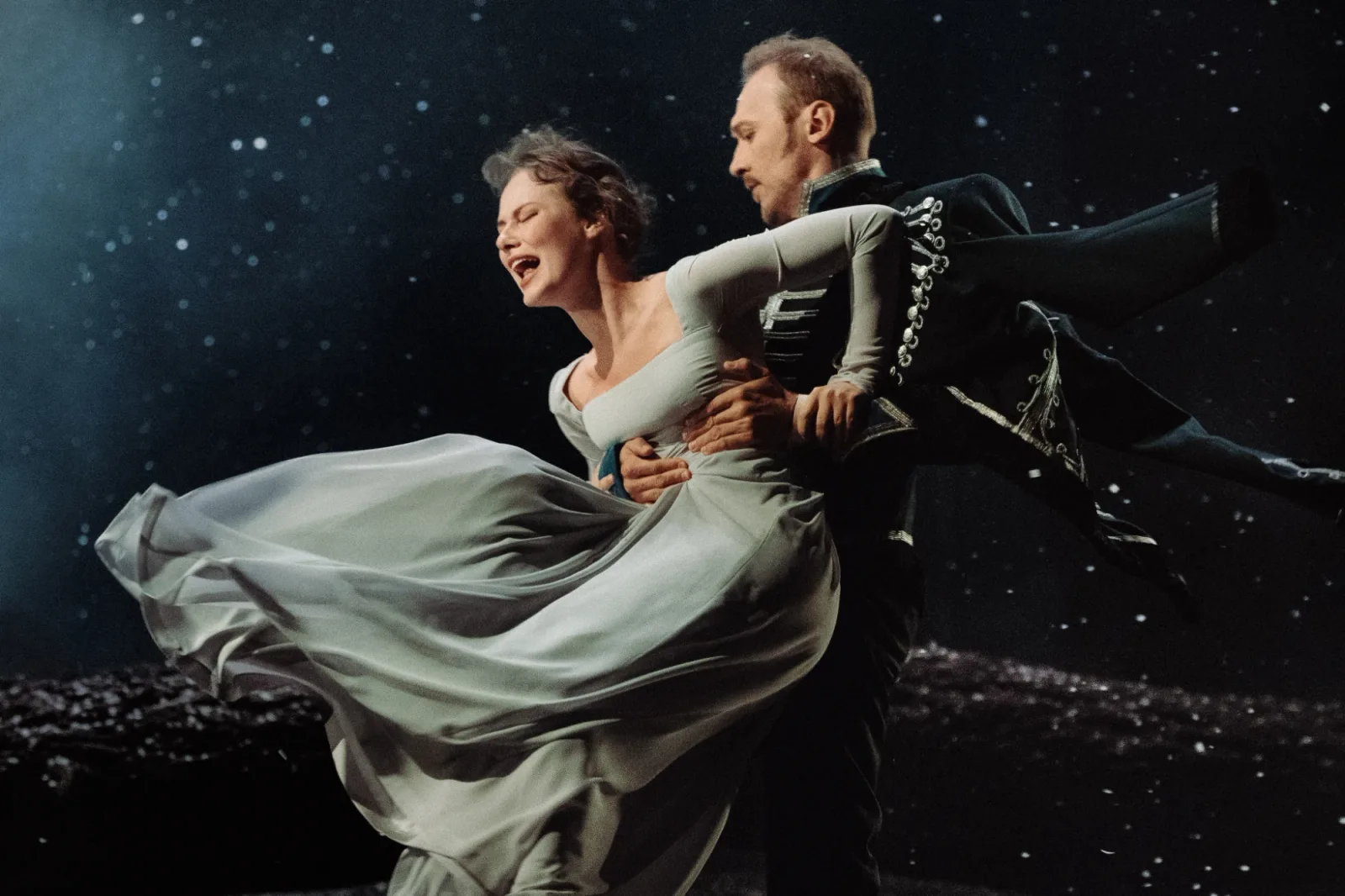
The play Pushkin’s Stories is adapted from Pushkin’s The Tales of Belkin. It selects four stories and arranges them poetically in the order of the changing seasons: The Peasant Young Lady, set in spring and summer; The Shot, in autumn; The Snowstorm, in winter; and The Stationmaster, as another spring arrives. The protagonists are all ordinary people living on Russian soil in Pushkin’s time: a young noblewoman who disguises herself as a peasant girl in pursuit of love; a marksman who lives for revenge; lovers toyed with by fate in a snowstorm; and a lowly stationmaster who deeply loves his daughter… Under Pushkin’s pen, they meet, part, and long for one another; they fall in love through chance encounters, fire shots in duels, lose their way in snowstorms, and search for relatives in distant places… But in the end, the trajectories of their lives are all completely rewritten by “chance.” In addition to the grounding of the original works, several of Pushkin’s romantic poems are interwoven on stage, giving the whole play a unique artistic texture.
Pushkin’s Stories is directed by Anatoly Shuliev, the current General Director of the Vakhtangov Theatre. Shuliev studied under Rimas Tuminas. The production has won several awards, including the Crystal Turandot Award for Best Stage Design, the MK Theatre Award for Best Supporting Actor (Vyrin in The Stationmaster), and the MK Theatre Award for Best Stage Design.
Synopses of the Four Stories
The Peasant Young Lady — Spring · Summer
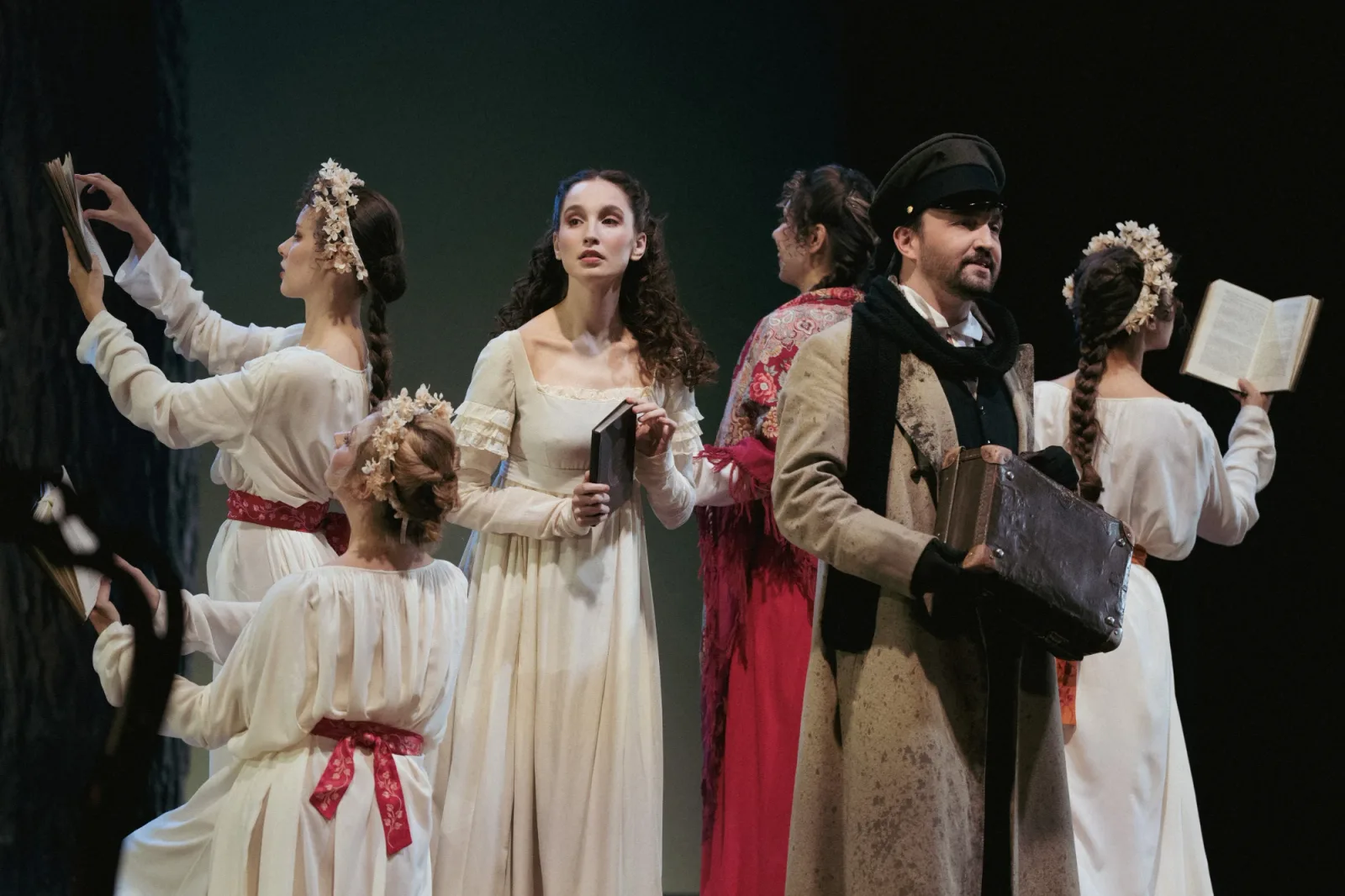
The landowner Berestov and his neighbor Muromsky have long been on bad terms. Berestov’s son Alexei returns from university and attracts the attention of all the young ladies in the district. Liza, Muromsky’s daughter, disguises herself as a peasant woman named Akulina in order to catch a glimpse of Alexei, and meets him in the woods. Alexei is deeply drawn to this “country girl,” and the two begin secret meetings. Later, the two fathers unexpectedly make peace and plan to match Alexei with Liza. Alexei firmly refuses, because he has already fallen in love with Akulina. He goes to the Muromsky house to explain his feelings, only to discover that Liza is the very Akulina he has been seeking, and the two happily come together.
The Shot — Autumn
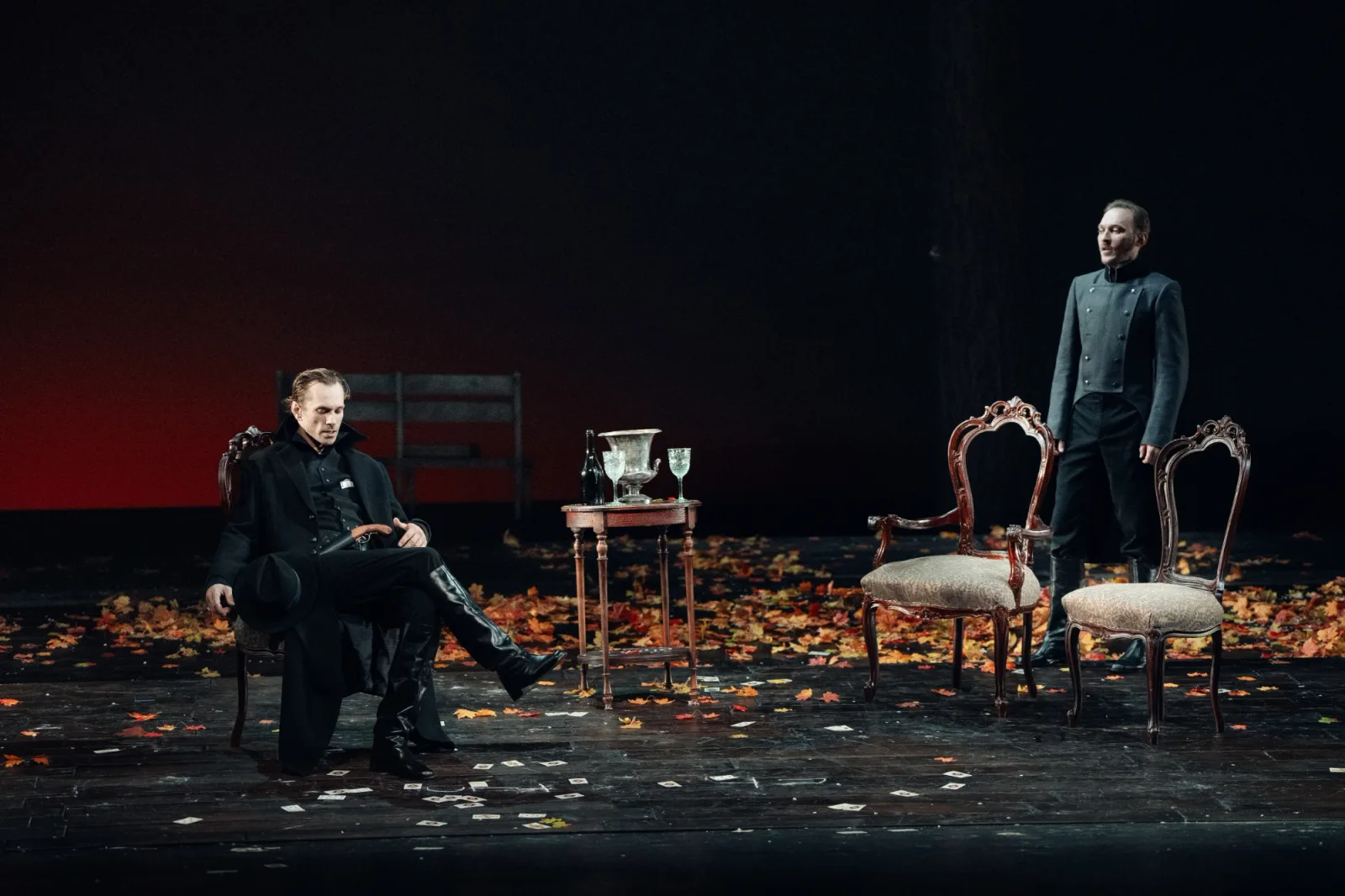
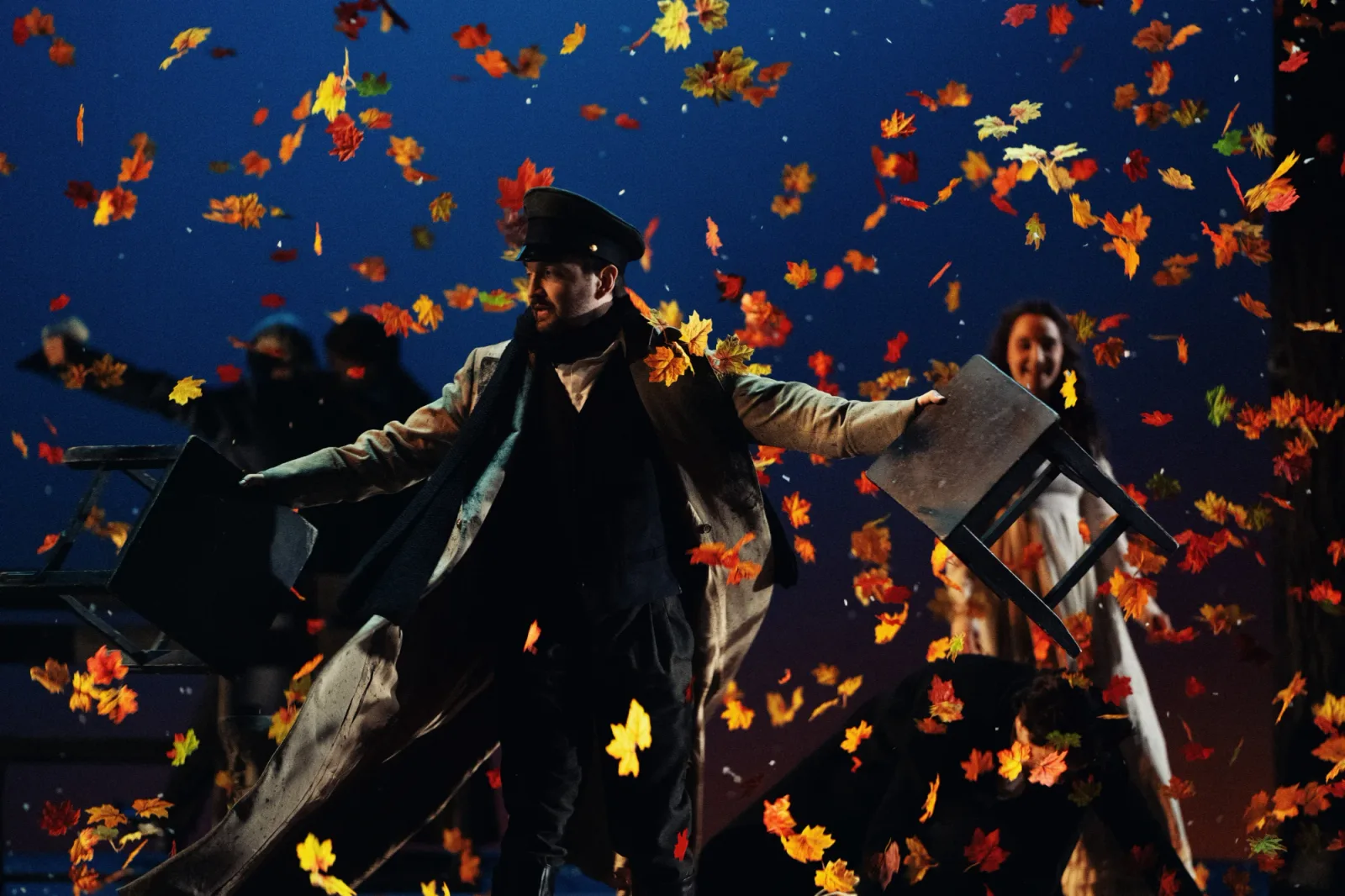
The officer Silvio is a superb marksman with a gloomy temperament. He once fought a duel after being humiliated by a young count. During the duel, the count casually ate cherries while waiting to shoot. Silvio felt that he was facing a man who did not fear death, so he gave up shooting, but the thought of revenge remained buried in his heart. Years later, Silvio learns that the count is about to marry and suddenly appears at the count’s house. He raises his pistol again. Seeing the count’s newlywed wife terrified and fear showing on the count’s own face, Silvio feels satisfied, lowers his gun, and leaves…
The Snowstorm — Winter
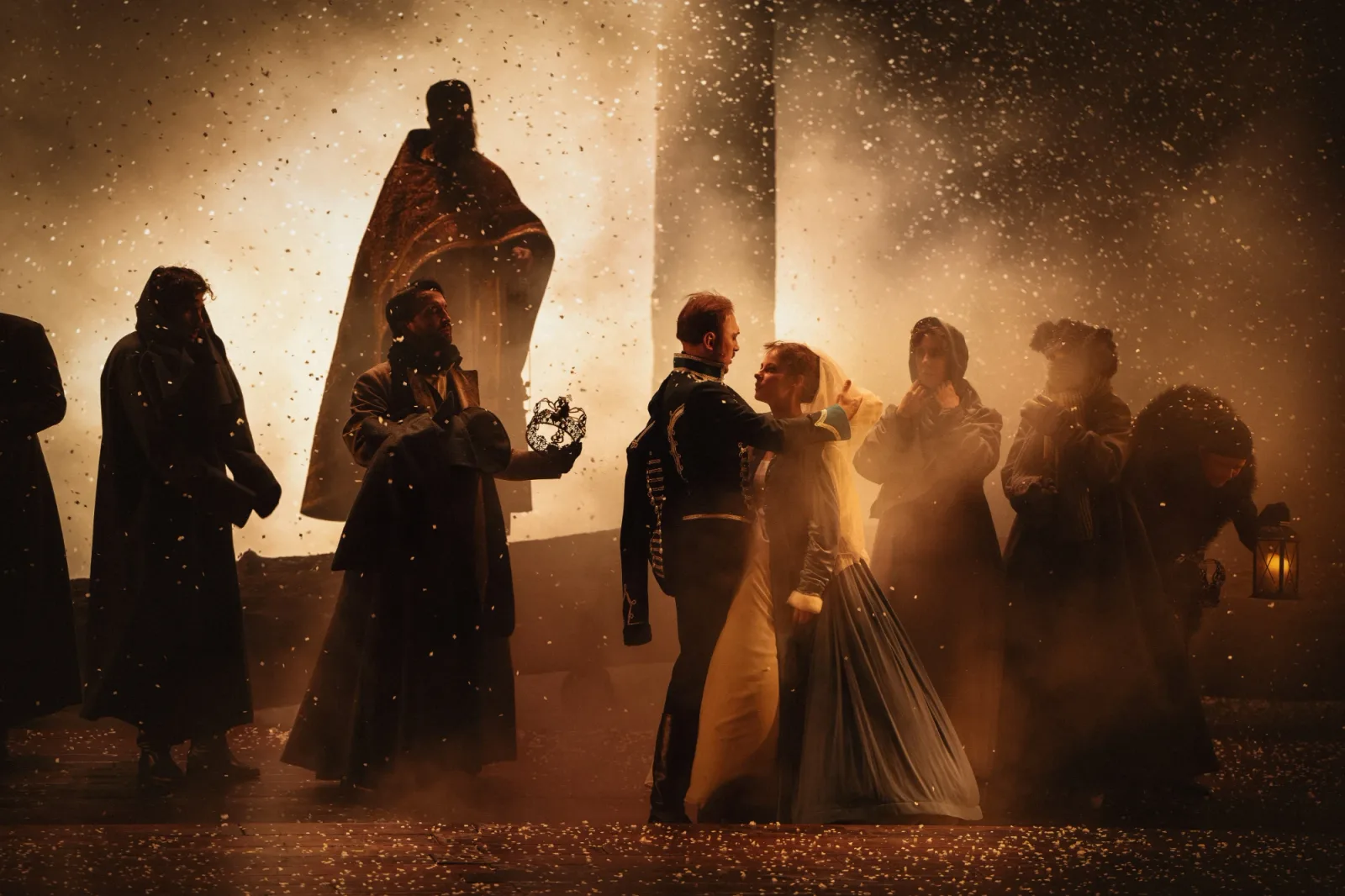
Maria falls in love with the poor officer Vladimir, but her parents oppose the match, so the two plan to elope. On a stormy night, Maria goes to the church to wait for Vladimir, but he loses his way and arrives late. Another young man, Burmin, who has also lost his way, happens to pass by the church and is hurriedly married to Maria as the groom. When Maria discovers the truth, she faints, and Burmin flees in panic. Vladimir later learns that Maria has “married” and resolutely leaves; he later dies at the front. Several years later, Maria and Burmin meet by chance and fall in love. Burmin confesses that he is already married but does not know who his wife is. In the end, the two discover that the woman he married that night in the snowstorm was none other than Maria.
The Stationmaster — Another Spring
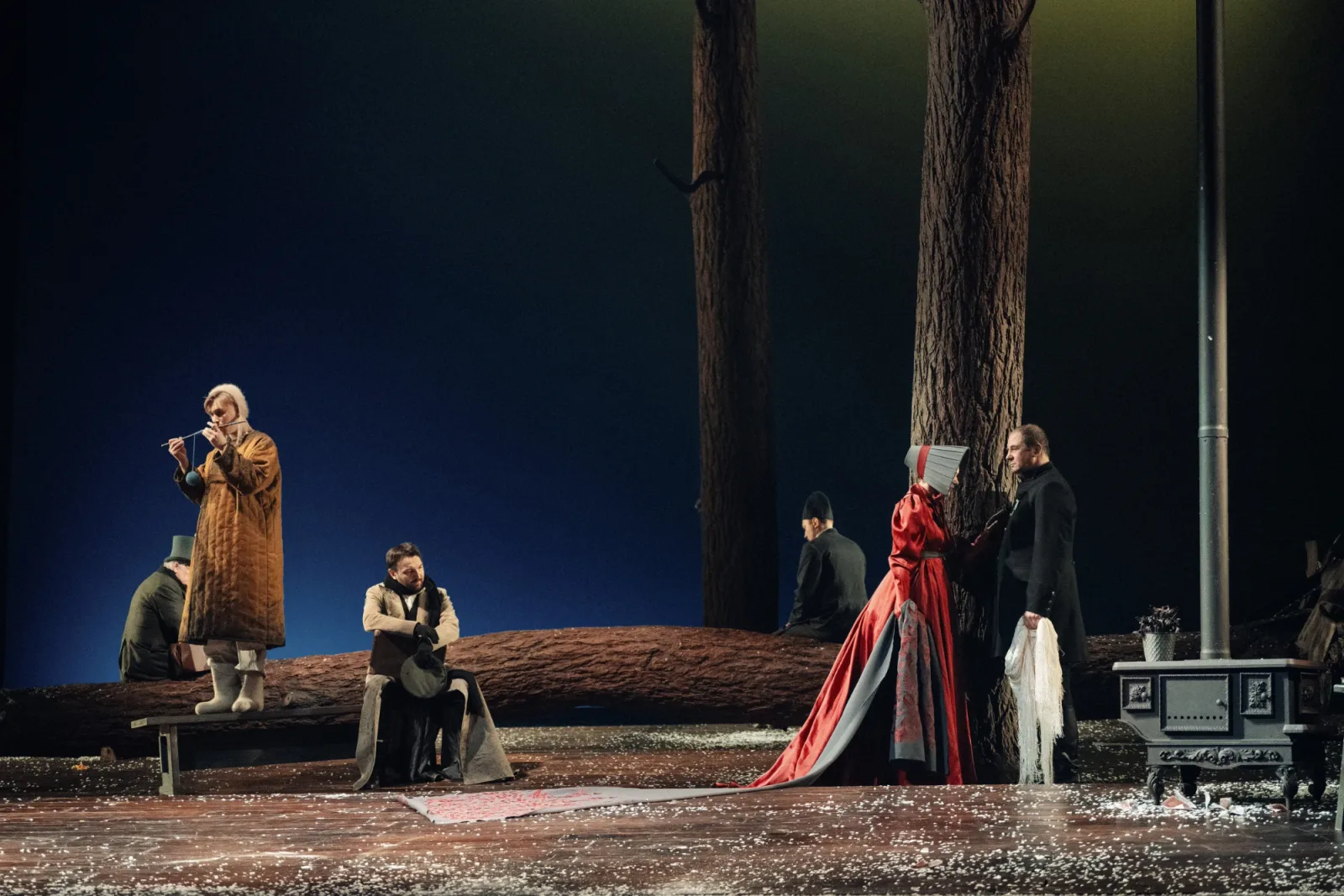
The stationmaster Samson Vyrin and his daughter Dunya depend on each other. The hussar Minsky pretends to be ill and stays at the station, and Dunya carefully looks after him. After Minsky recovers, he tricks Dunya into accompanying him to the church and takes her away. The stationmaster hurries to St. Petersburg to look for his daughter, but Minsky refuses to return her and says that Dunya has fallen in love with him. The stationmaster returns to the station and dies alone from drinking. Many years later, Dunya returns to her hometown by carriage with three children. Learning that her father is dead, she goes to his grave, kneels, and weeps.
The Stationmaster is of great significance in the history of Russian literature. Before Pushkin, lower-class figures had almost no place in Russian literature. Vyrin—a humble, weak, yet flesh-and-blood stationmaster—is regarded as the first “little man” figure in the history of Russian literature.
Principal Cast

Vladimir Guskov (Silvio in The Shot)
Vladimir Guskov was born into an acting family; his parents, Alexei Guskov and Lidiya Velezheva, were both actors at the Vakhtangov Theatre. He practiced karate from childhood and became a black belt, and appeared in a television series at the age of 10. After graduating from the Shchukin Theatre Institute in 2009, he joined the Moscow Mayakovsky Theatre, where he created roles such as Buratino in The Golden Key, Golutvin in Enough Stupidity in Every Wise Man, and Vasily Leonidich in The Fruits of Enlightenment, and played the poet Mayakovsky in Mayakovsky Goes to Buy Sugar. In 2015, he won acclaim for his role as Alexander in The Last Generation and received the MK Theatre Award.
In May 2025, after establishing a broad reputation in the acting world, Vladimir Guskov officially joined the Vakhtangov Theatre company. His debut on the Vakhtangov stage was as the young Onegin in Rimas Tuminas’s production of Eugene Onegin, for which he prepared under the guidance of Viktor Dobronravov, the first actor to play Onegin in that production.
Director
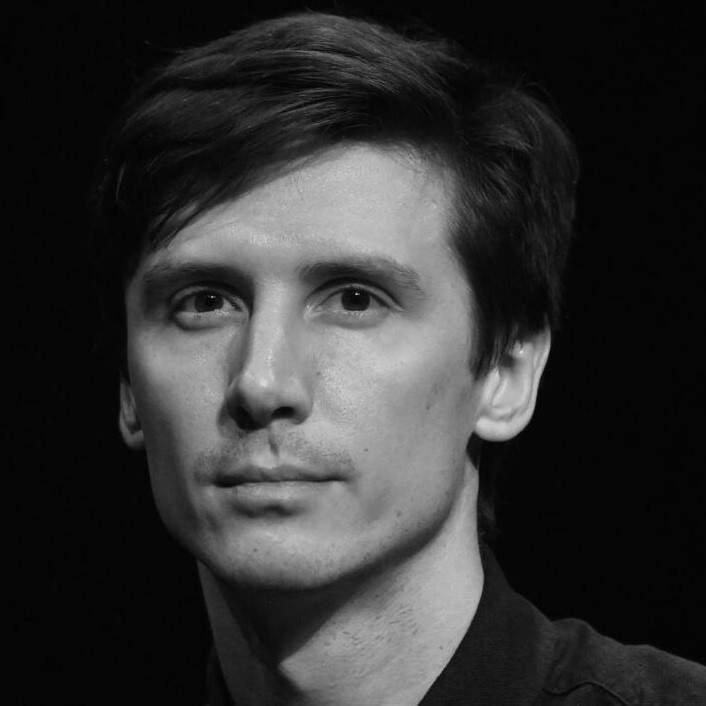
Anatoly Shuliev
Current General Director of the Russian Vakhtangov Theatre.
Born on November 22, 1989, in Vladikavkaz, Russia.
From 2008 to 2011, he studied in the Acting Department of the Russian Academy of Theatre Arts (GITIS). In 2016, he completed an acting and directing course at the Shchukin Theatre Institute under Nina Dvorzhetskaya and Rimas Tuminas.
That year, his graduation production—Eugene Ionesco’s play The King Is Dying—was performed at the Vakhtangov Theatre as part of the “Tuminas Master Directing Course” project.
In 2015, Anatoly Shuliev received the title “Russian Young Talent” from the Russian Ministry of Culture.
Since 2017, he has served as a workshop mentor in the Acting Department of the Russian Academy of Theatre Arts. During this period, he and his students created Who Killed Fyodor Pavlovich?, based on excerpts from Dostoevsky’s novel The Brothers Karamazov.
In 2017 and 2021, he directed the plays Stories of Stefan Zweig and The Silly Girl at the Vakhtangov Theatre.
In 2023, Shuliev directed Amadeus, his first production on the Vakhtangov Theatre’s main stage.
In April 2023, Shuliev was appointed General Director of the Vakhtangov Theatre.
Pushkin’s Stories is the first work Shuliev directed after becoming General Director. Adapted from Pushkin’s famous The Tales of Belkin, it premiered in 2024, the 225th anniversary of Pushkin’s birth.
In 2025, Anatoly Shuliev directed Landau’s Sun. The play tells the legendary life of the outstanding Russian physicist Lev Landau, who made foundational contributions to many fields of theoretical physics. The production won several of the most influential awards in Russian theatre, including Russia’s highest national theatre award, the Golden Mask, the Crystal Turandot Award, and the MK Theatre Award.
In June 2026, Shuliev presented his new work Splendor and Dust, which tells the legendary story of a Russian jewelry family. The production has already become a highly anticipated box-office success at the Vakhtangov Theatre, with tickets sold out months in advance.
In addition, he has directed works by Ibsen, Molière, Dostoevsky, and other masters at the Mayakovsky Theatre and the Pushkin Theatre, all with strong box-office results. In film, his directed works Wings, Behind Closed Doors, and The Gift have won awards at several international film festivals.
Some theatre critics say that Shuliev “has found a unique path to the peak of art.”
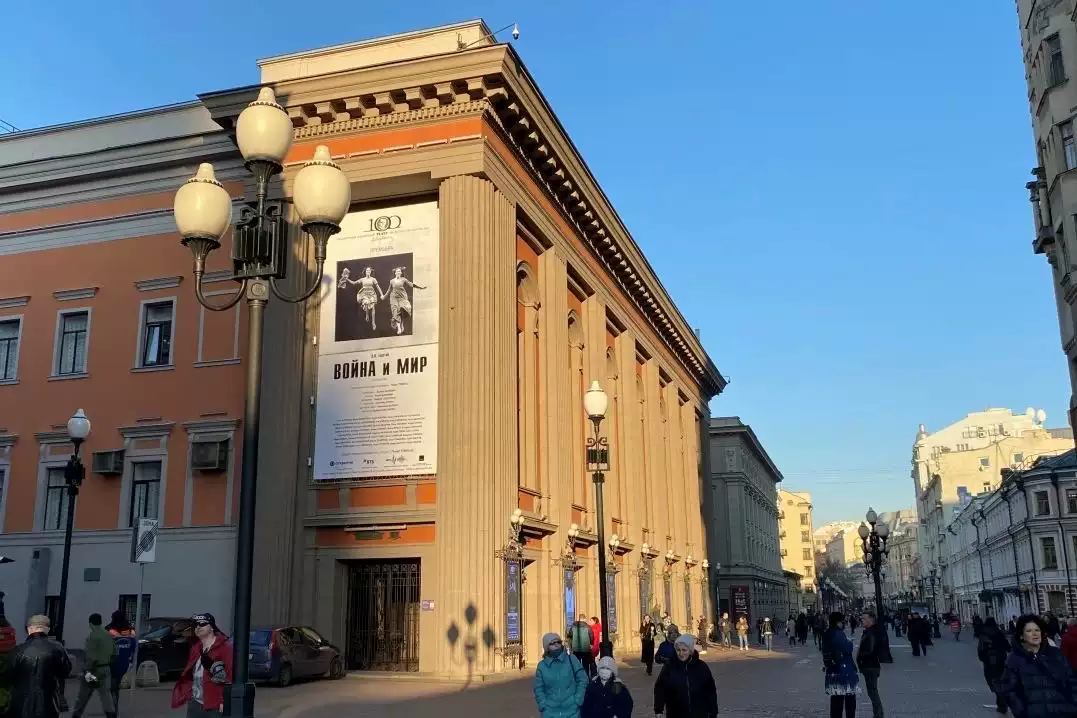
【The Vakhtangov Theatre】
The Vakhtangov Theatre is one of the most celebrated theatres in Russia and the world. Founded in 1921, it is located in the heart of Moscow on the historic Arbat Street. The theatre's founder, Yevgeny Vakhtangov, was a distinguished student of Konstantin Stanislavsky, the pioneer of the renowned acting system. As a trailblazer in theatre, Vakhtangov's artistic concepts profoundly influenced the theatre history of the 20th and 21st centuries.
Today, the Vakhtangov Theatre's core philosophy is the harmonious fusion of perfect form and profound psychological depth. Combining deep historical traditions with a keen sensitivity to contemporary art, the theatre's repertoire spans classical tragedy to modern comedy, encompassing drama, operetta, dance, and other forms, with over 100 performances monthly in Moscow.
In 2007, the internationally acclaimed theatre master Rimas Tuminas was invited to serve as the Vakhtangov Theatre's Artistic Director. Under his leadership, the theatre further solidified its status as one of Russia's premier dramatic companies.
In 2024, Rimas Tuminas and the Vakhtangov Theatre brought their production of War and Peace to China for the first time, premiering at the Shanghai Oriental Art Center to great audience acclaim. In 2025, the Vakhtangov Theatre returned with the highly acclaimed Eugene Onegin and the landmark classic Uncle Vanya, once again sparking a theatre-going frenzy in Shanghai.
Production photos are from previous performances; the cast is subject to change on the day of the performance.
Dates and tickets
- Sat 14 November 2026 19:15 · from ¥680 · Available
- Sun 15 November 2026 19:15 · from ¥480 · Available
Prices: ¥480 – ¥1080
Venue
Shanghai Oriental Art Center - Opera Hall, 425 Dingxiang Road, Pudong, Shanghai
How to buy
- Choose a date and ticket type above, then pay online.
- Paper tickets are posted to you by SF Express; the delivery fee is shown at checkout.
- Book at least 1 day in advance.
FAQ
When is PUSHKIN TALES?
14 November – 15 November 2026
Where is PUSHKIN TALES?
Shanghai Oriental Art Center - Opera Hall, 425 Dingxiang Road, Pudong, Shanghai
How much are tickets?
¥480 – ¥1080
What kind of ticket will I get?
A paper ticket, posted by SF Express.