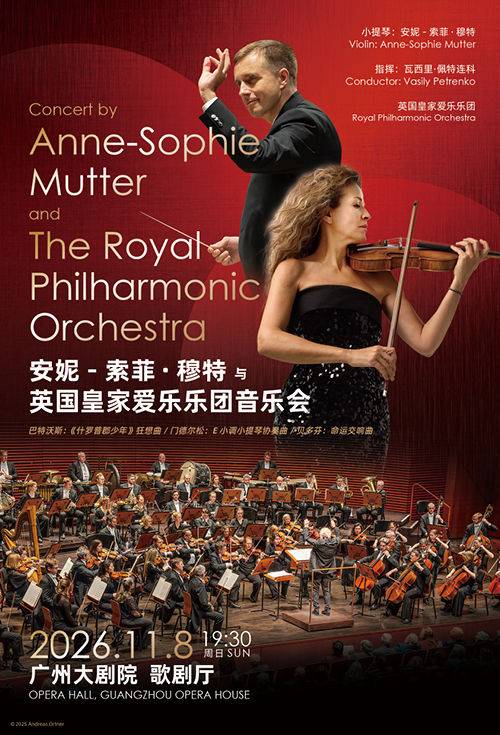
Anne-Sophie Mutter & Royal Philharmonic Orchestra - Guangzhou
安妮-索菲·穆特与英国皇家爱乐乐团音乐会 - 广州
Select date
Tickets
Total
¥0
About this event
⚠️ A Ticket Code Will be Sent to You Within 1 Working Day after the Order is Placed via SMS beginning with "广州大剧院"
👉 Use the Ticket Code to Pick Up Paper Ticket at the Ticket Machine of Guangzhou Opera House
👉 Use the Ticket Code to Pick Up Paper Ticket at the Ticket Machine of Guangzhou Opera House
👉 No Cancellation
Programme
Butterworth: A Shropshire Lad Rhapsody
Mendelssohn: Violin Concerto in E Minor
- Intermission -
Beethoven: Symphony No. 5
* The Program is subject to change.
Butterworth: A Shropshire Lad Rhapsody
Mendelssohn: Violin Concerto in E Minor
- Intermission -
Beethoven: Symphony No. 5
* The Program is subject to change.
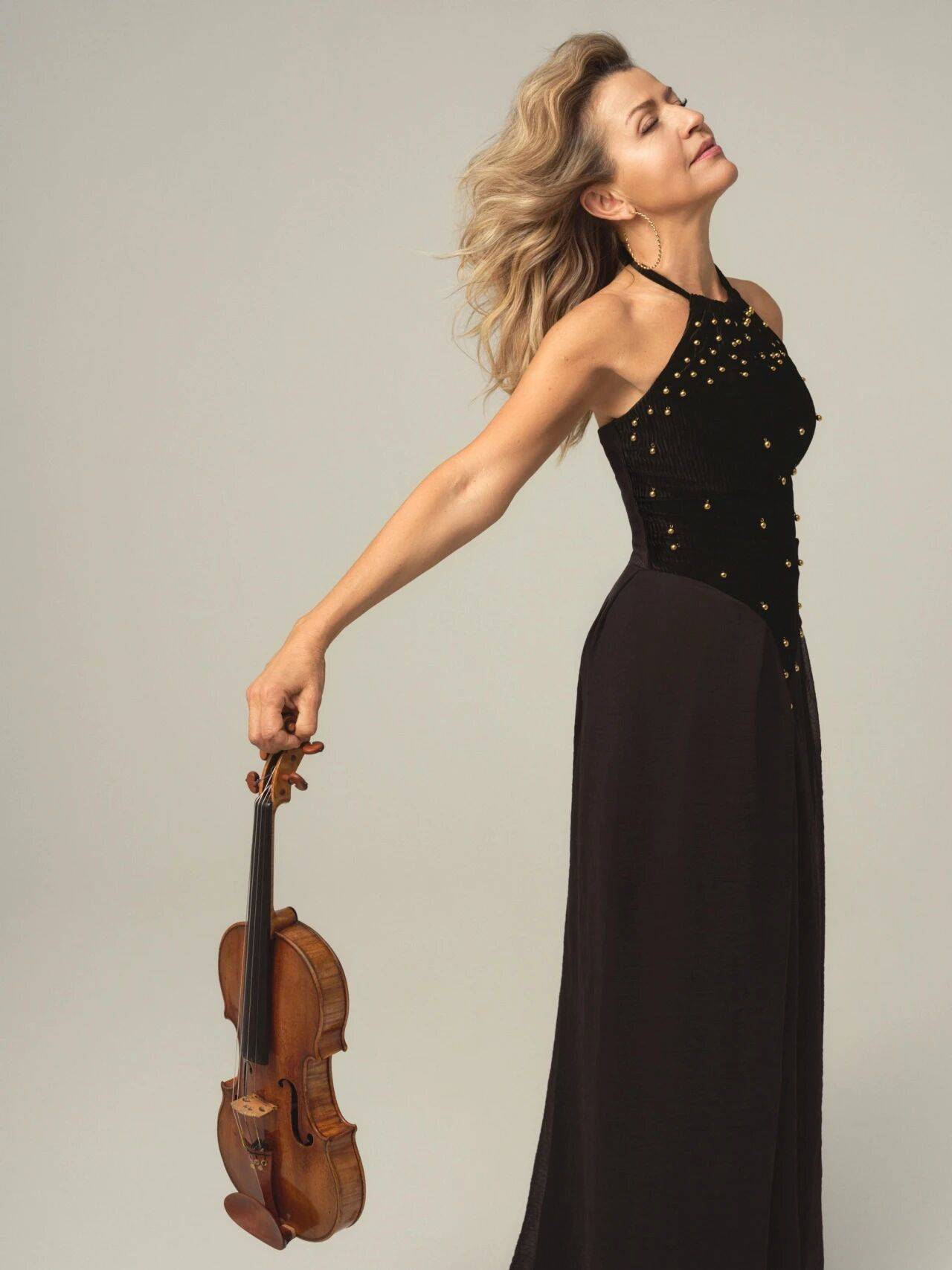
Violin: Anne-Sophie Mutter
Anne-Sophie Mutter is a musical phenomenon: for nearly five decades the virtuoso has now been a fixture in all the world’s major concert halls, making her mark on the classical music scene as a soloist, mentor and visionary. The four-time Grammy® Award winner is equally committed to the performance of traditional composers as to the future of music.
So far she has given world premieres of 34 works – Thomas Adès, Unsuk Chin, Sebastian Currier, Aftab Darvishi, Henri Dutilleux, Sofia Gubaidulina, Witold Lutoslawski, Norbert Moret, Krzysztof Penderecki, Sir André Previn, Wolfgang Rihm, Jörg Widmann and John Williams have all composed for Anne-Sophie Mutter. Anne-Sophie Mutter dedicates herself to supporting tomorrow’s musical elite and numerous benefit projects. Since January 2022 she joins the foundation board of the Lucerne Festival.
In the autumn of 1997 she founded the Association of Friends of the Anne-Sophie Mutter Foundation e.V., to which the Anne-Sophie Mutter Foundation was added in 2008. These two charitable institutions provide support for the scholarship recipients, support which is tailored to the fellows’ individual needs. Since 2011, Anne-Sophie Mutter has regularly shared the spotlight on stage with her ensemble of fellows, Mutter’s Virtuosi.
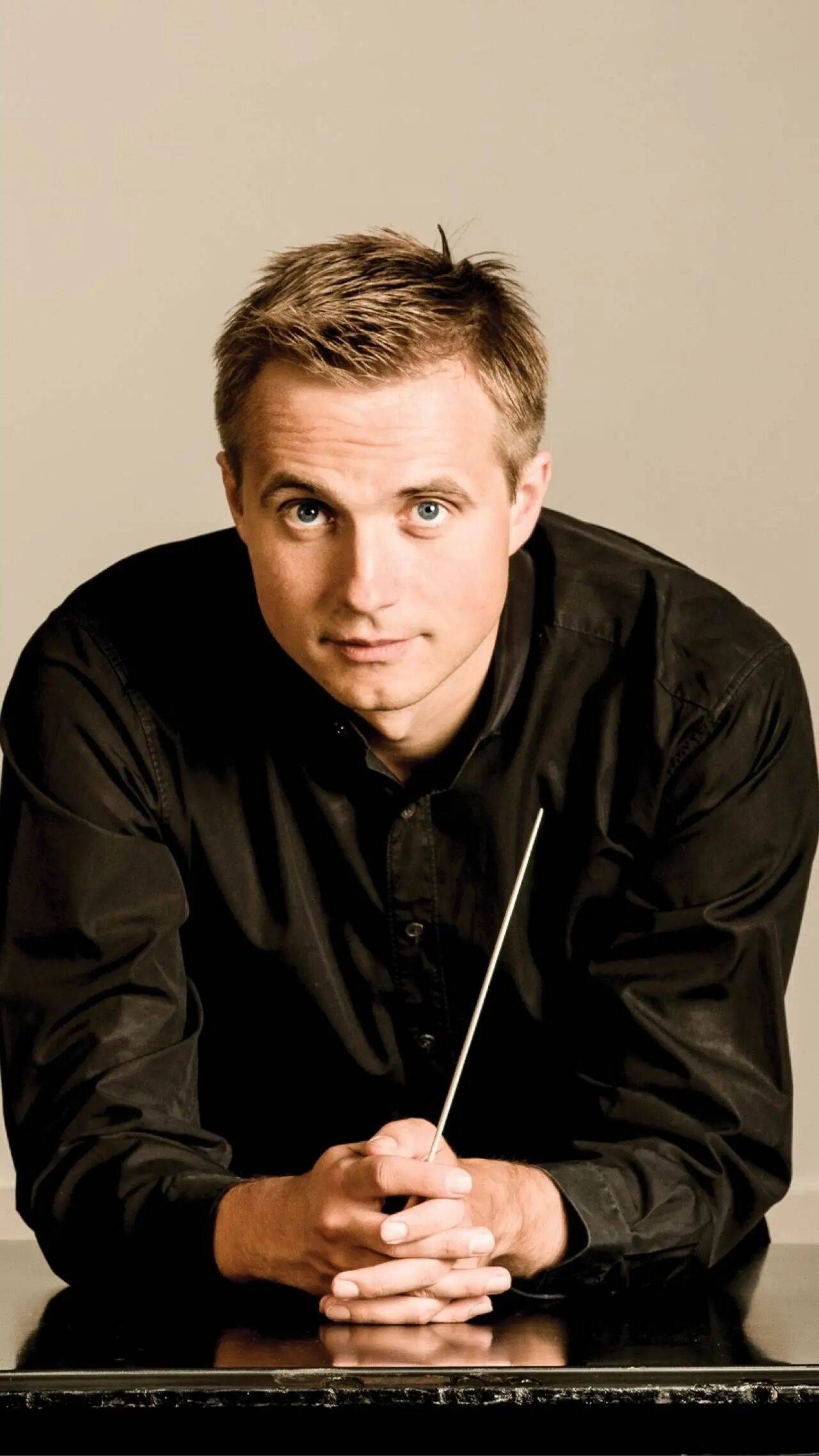
Conductor: Vasily Petrenko
Vasily Petrenko is Music Director of the Royal Philharmonic Orchestra, a position he took on in 2021, becoming Conductor Laureate of the Royal Liverpool Philharmonic Orchestra following his hugely acclaimed fifteen-year tenure as their Chief Conductor from 2006-2021. He is the Associate Conductor of the Orquesta Sinfónica de Castilla y León, and has also served as Chief Conductor of the European Union Youth Orchestra (2015-2024), Chief Conductor of the Oslo Philharmonic Orchestra (2013-2020) and Principal Conductor of the National Youth Orchestra of Great Britain (2009–2013). He stood down as Artistic Director of the State Academic Symphony Orchestra of Russia ‘Evgeny Svetlanov’ in 2022 having been their Principal Guest Conductor from 2016 and Artistic Director from 2020.
Petrenko has worked with many of the world’s most prestigious orchestras including the Berlin Philharmonic, Bavarian Radio Symphony, Gewandhausorchester Leipzig, London Symphony, London Philharmonic, Philharmonia, Accademia Nazionale di Santa Cecilia (Rome), St Petersburg Philharmonic, Orchestre National de France, Czech Philharmonic and NHK Symphony Orchestras, and in North America has lead the Philadelphia Orchestra, Los Angeles Philharmonic Orchestra, Cleveland Orchestra, and the San Francisco, Boston and Chicago Symphony Orchestras. He has appeared at the Edinburgh Festival, Grafenegg Festival and made frequent appearances at the BBC Proms. Equally at home in the opera house, and with over thirty operas in his repertoire, Vasily Petrenko has conducted widely on the operatic stage, including at Glyndebourne Festival Opera, the Opéra National de Paris, Opernhaus Zürich, the Bayerische Staatsoper, and the Metropolitan Opera, New York.
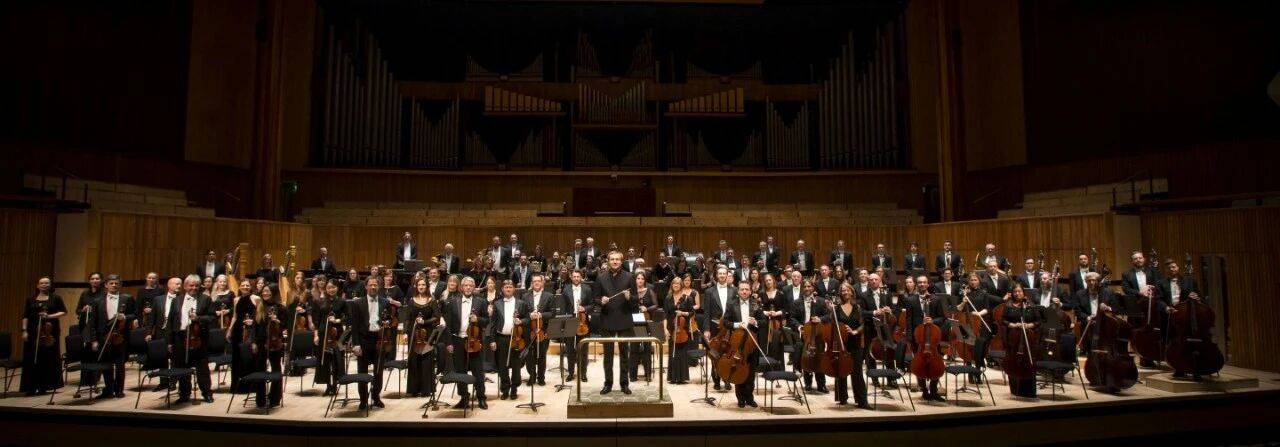
Royal Philharmonic Orchestra
The Royal Philharmonic Orchestra is a British symphony orchestra based in London, England. The RPO was established by Thomas Beecham in 1946. In its early days, the orchestra secured profitable recording contracts and important engagements including the Glyndebourne Festival Opera and the concerts of the Royal Philharmonic Society. After Beecham's death in 1961, the RPO's fortunes declined steeply. The RPO battled for survival until the mid-1960s, when its future was secured after a report by the Arts Council of Great Britain recommended that it should receive public subsidy. A further crisis arose in the same era when it seemed that the orchestra's right to call itself "Royal" could be withdrawn.
The Royal Philharmonic Orchestra is a British symphony orchestra based in London, England. The RPO was established by Thomas Beecham in 1946. In its early days, the orchestra secured profitable recording contracts and important engagements including the Glyndebourne Festival Opera and the concerts of the Royal Philharmonic Society. After Beecham's death in 1961, the RPO's fortunes declined steeply. The RPO battled for survival until the mid-1960s, when its future was secured after a report by the Arts Council of Great Britain recommended that it should receive public subsidy. A further crisis arose in the same era when it seemed that the orchestra's right to call itself "Royal" could be withdrawn.
Dates and tickets
- Sun 8 November 2026 19:30 · from ¥680 · Available
Prices: ¥380 – ¥1344
Venue
Guangzhou Opera House - Opera Hall, 1 Zhujiang Xi Lu, Shenzhen
How to buy
- Choose a date and ticket type above, then pay online.
- After payment your ticket is sent to your account and email.
FAQ
When is Anne-Sophie Mutter & Royal Philharmonic Orchestra - Guangzhou?
8 November 2026
Where is Anne-Sophie Mutter & Royal Philharmonic Orchestra - Guangzhou?
Guangzhou Opera House - Opera Hall, 1 Zhujiang Xi Lu, Shenzhen
How much are tickets?
¥380 – ¥1344
What kind of ticket will I get?
An e-ticket, sent after payment.